Contact:Mr. Sun Ling
Email:meng@shandonghg.com
whats app:+86-15863158497
Add:: No. 2228 Tianchen Road, Jinan, China
The craft beer dream often begins with a nanobrewery—a 200-liter pilot system in a garage or a 5-hectoliter kit in a shared space. The owner celebrates every batch. Then distribution calls. Suddenly, the little system that brought joy becomes a bottleneck.
How do you grow without losing your identity or your investment? The answer is a brewhouse built on scalable architecture—a concept that treats equipment as an evolving ecosystem, not a fixed asset.
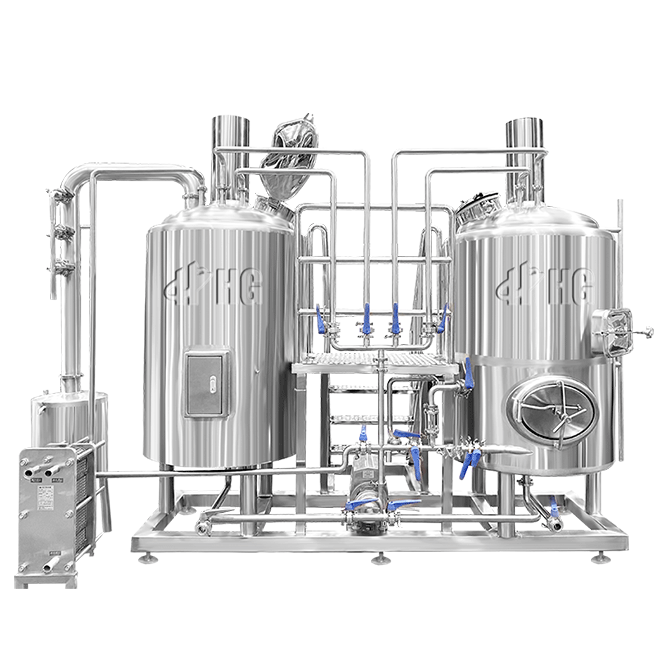
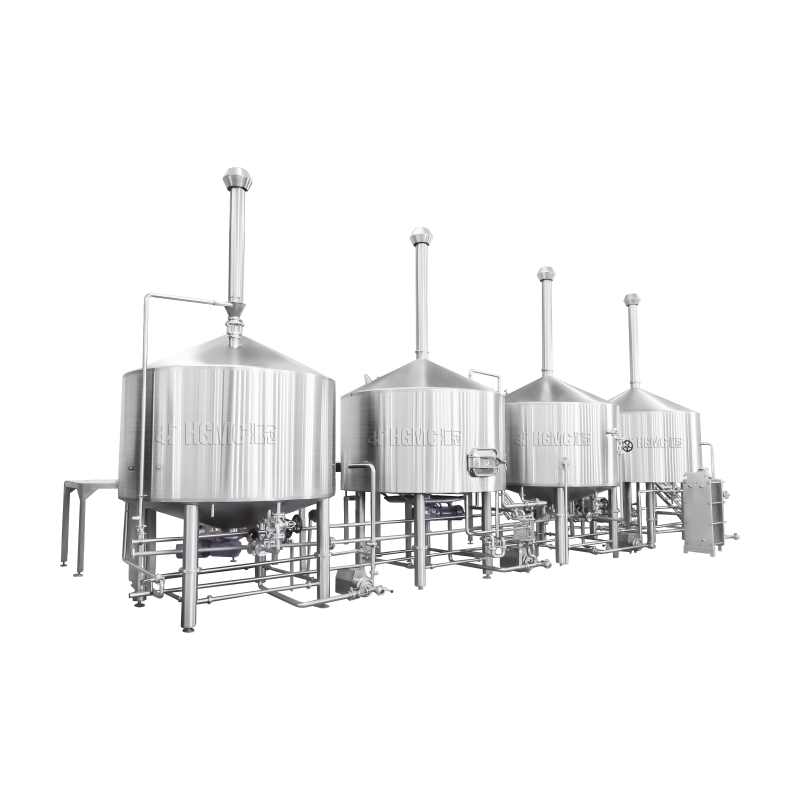
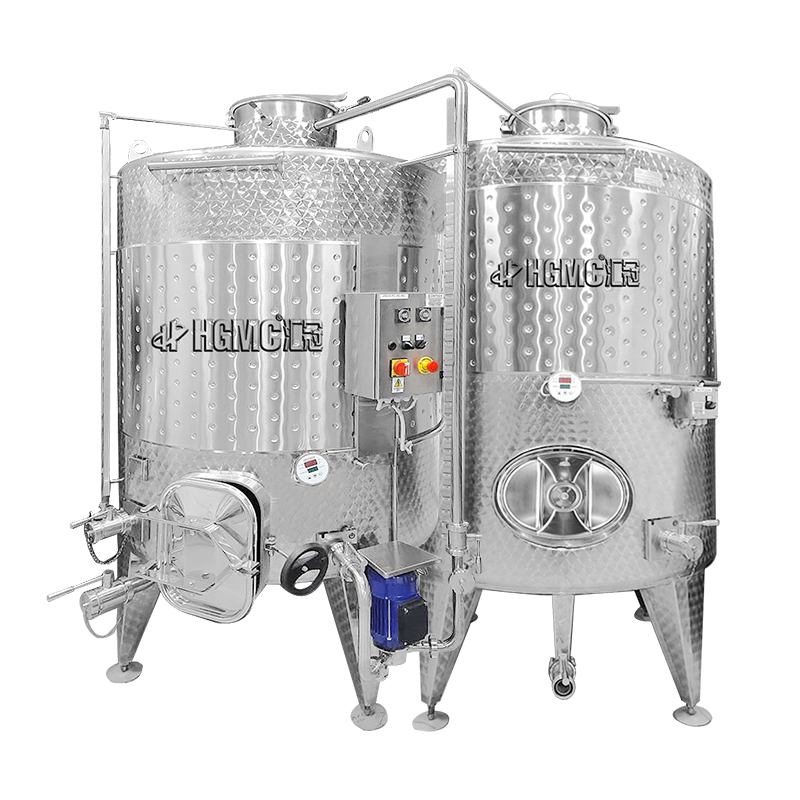
For the individual brewpub owner or taproom entrepreneur, scalable design starts with vessel interchangeability. Choose a system where the mash filter, lauter tun, and boil kettle share the same footprint and utility connections. When you outgrow a 10-hectoliter hot side, you replace only the vessels, not the frames, piping, or control cabinet. Your original tanks can be repurposed as pilot brew kettles, souring vessels, or hot liquor backups. Nothing is wasted.
Procurement managers value this approach because it transforms capital expenditure from a lump-sum gamble into a phased, revenue-linked investment. You can buy a base brewhouse today that covers year one, then add parallel fermentation capacity in year two, and finally upgrade the hot side in year three. Your balance sheet grows gracefully, without the shock of a “rebuild” budget.
Engineers will appreciate component commonality. A scalable line uses the same gaskets, valves, and sensors across all tank sizes. Spare parts inventory remains minimal. Training new staff becomes faster because every vessel operates identically. And when a single tank needs maintenance, production simply shifts to another identical unit without reprogramming recipes.
But true scalability goes beyond hardware. Your automation platform should support modular licensing. Start with manual temperature control. Add data logging next quarter. Purchase recipe management and remote alerts in year two. The same PLC backbone accommodates all upgrades without rewiring or replacing panels.
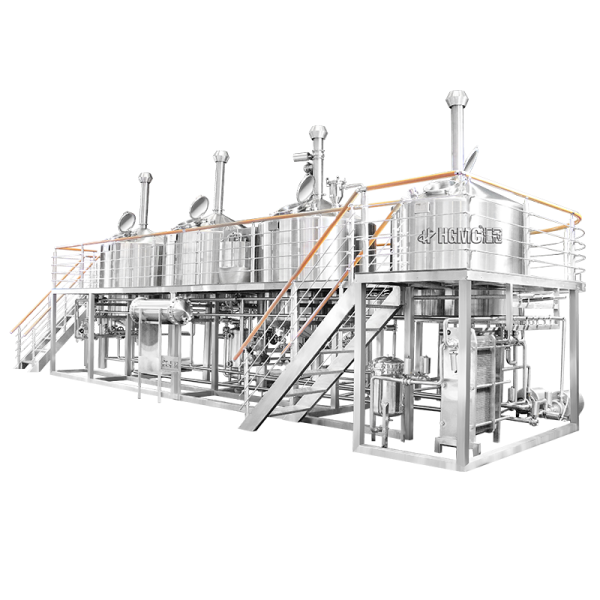
Consider also the physical building. A scalable brewhouse often uses raised access flooring or ceiling-mounted utility drops, so adding a new fermenter does not require trenching concrete or relocating pipes. For a brewpub expansion from 500 to 2,000 square feet, this flexibility can save six weeks of construction delays.
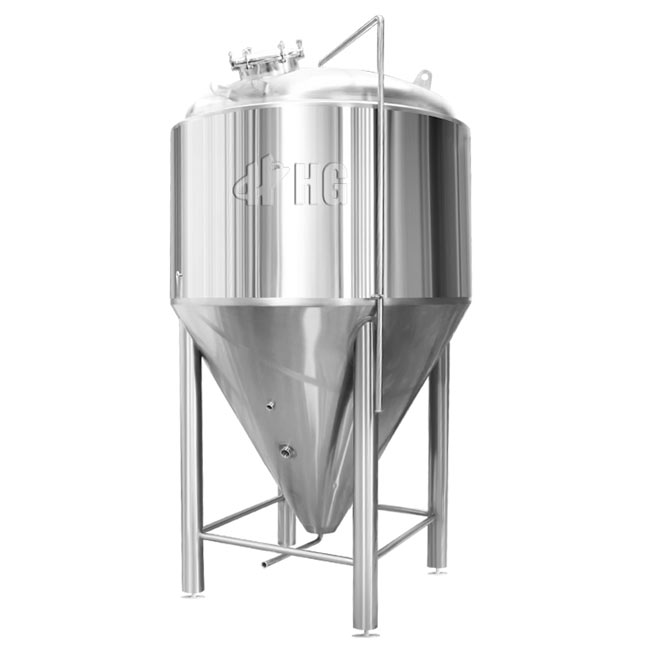
Real-world example: a brewer in the Pacific Northwest began with a 3-hectoliter modular brewhouse in a 400-square-foot space. Eighteen months later, they added three 10-hectoliter unitanks in an adjacent room using the same glycol header. At year three, they replaced the original hot side with a 15-hectoliter kettle and lauter tun—reusing the control panel, pump skid, and piping. Total equipment replacement cost was less than 40% of a full new system.
Scalability is not just smart engineering. It is emotional insurance. You can dream big without fearing that your first equipment purchase will become tomorrow’s scrap metal.
What is your target production volume for year one, year three, and year five? Share your numbers (no commitment), and our technical sales team will prepare a three-phase scalable brewhouse layout customized to your space and budget range.
ADDRESS No. 2228 Tianchen Road, Jinan, China
Copyright @ 2026 Shandong Huiguan Engineering Equipment Co., Ltd.