Contact:Mr. Sun Ling
Email:meng@shandonghg.com
whats app:+86-15863158497
Add:: No. 2228 Tianchen Road, Jinan, China
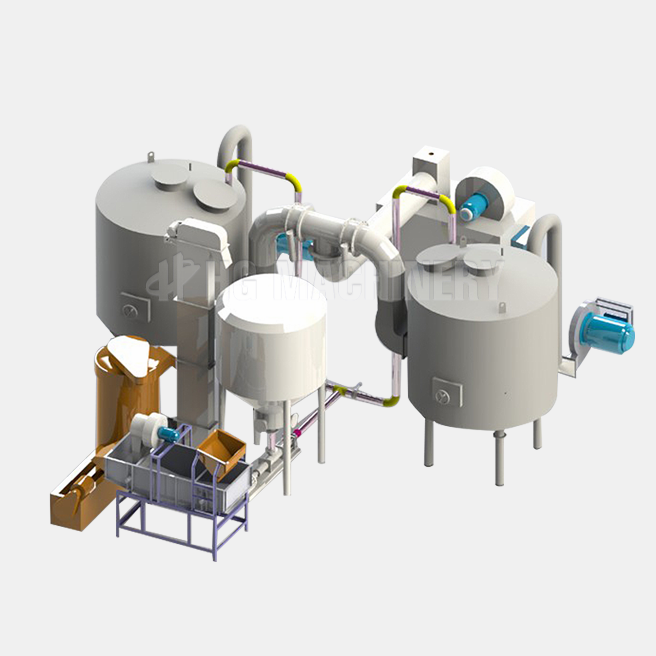
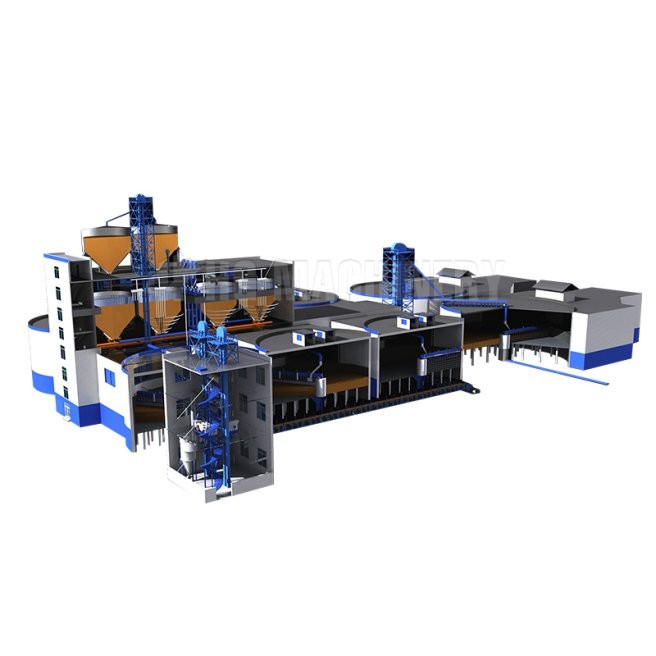
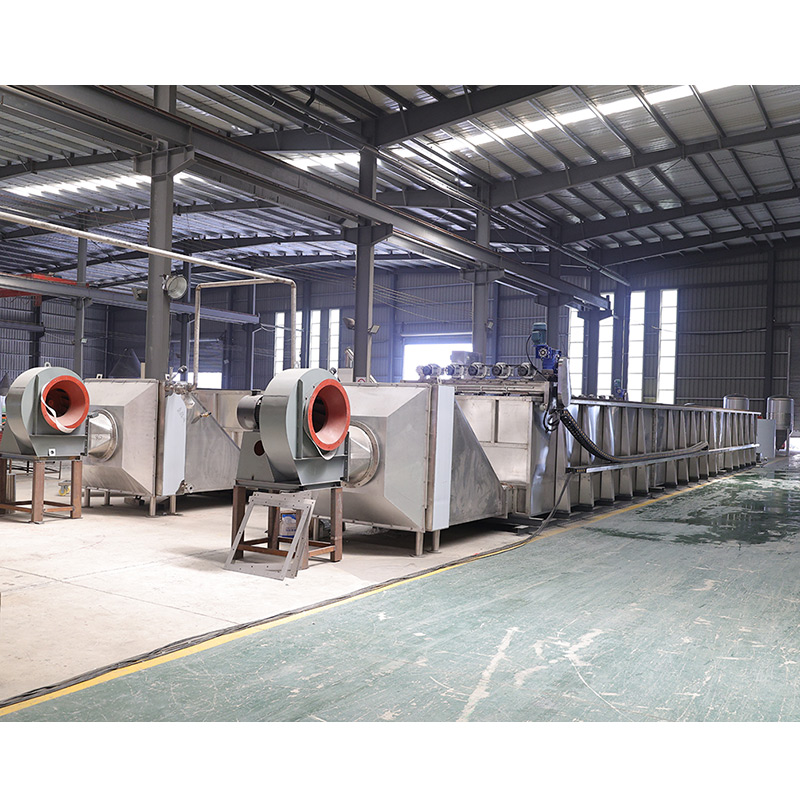
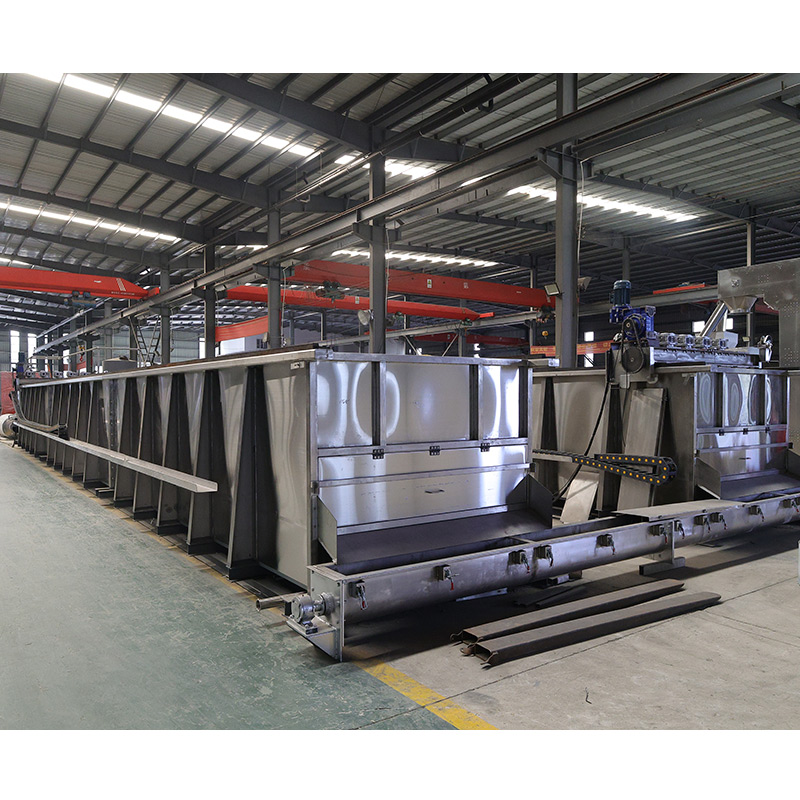
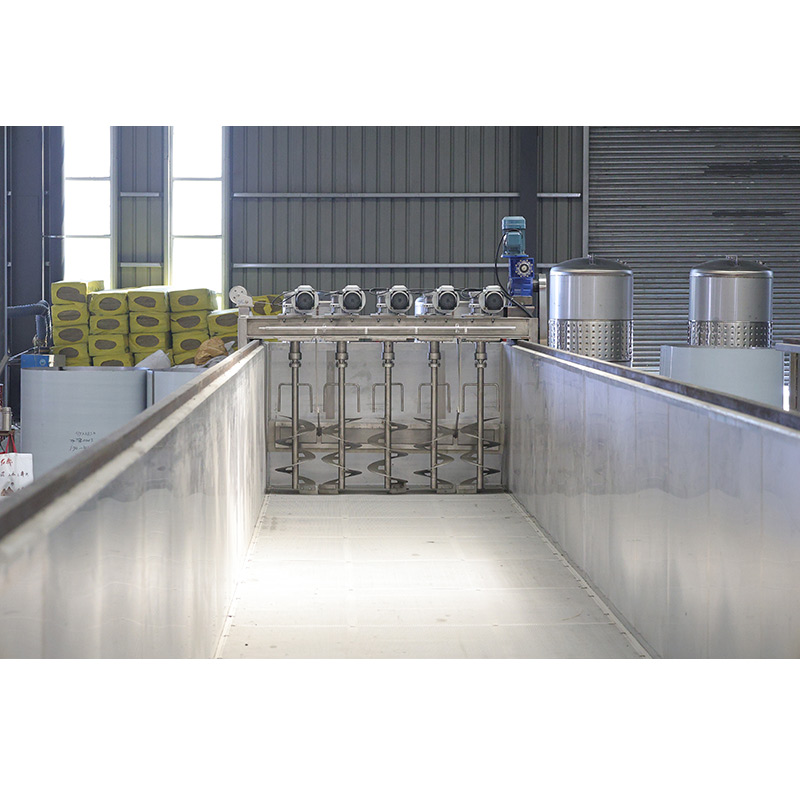
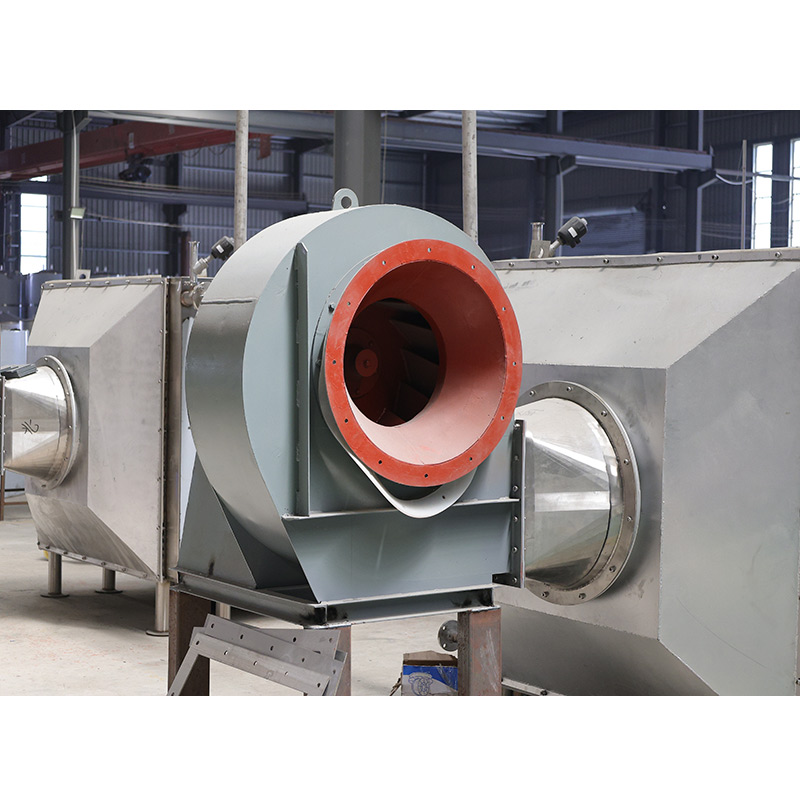
Malting Equipment is designed for those who demand the highest quality equipment and process control. Through a combination of time-tested and innovative methods, we empower Maltsters to grow the emerging Craft Malt industry. Our malting barley equipment are the result of detailed engineering, advanced technology and superior craftsmanship. We offer standard Malting machine designs over a range of batch sizes, but our strength as a custom fabricator/integrator can be leveraged to manufacture a system or individual components to your exact requirements.
It consists of cleaning raw material, steep, germination, kiling and scale packing, its advantage: germination box is rectangle box, fan provides uniformity air from one end or side so as to achieve hu-miture control. Material transmission adopts mechanization, drying adopts single layer high efficiency kiln, double layer high efficiency kiln or round kiln.
The malting process starts with soaking the barley grains for 24 – 48 hours in a steeping vessel. During this time air is blown through the vessel (the steep) to add oxygen to the water and to cause a washing effect. Sand, dirt, and mould infested kernels are washed away resulting in a clean product. After approx 24 hours. the barley begins to sprout and the grain is transferred to the germination floor.
For seeds of any sort to sprout, a moist and warm environment is required. After the grains have been soaked they need to be rinsed and situated in a warm environment with light available to them. The moist barley is spread out and allowed to germinate in a warm and light environment. During this process the sprouting barley produces heat. To control the temperature of the sprouts, they have to be turned on a regular basis. Historically, this was done by hand, but in modern times it is done by mechanical turners. The modern techniques used in the malting, such as fan assisted aeration and cooling devices allow us excellent control over the malting process enabling a germination process of 5 to 6 days.
After the germination is complete, the grain is loaded onto the kiln floor. There the temperature increases gradually, drying the sprouted grains and stopping the germination process. As the temperature rises even more, the sprouted barley is cured, which improves flavor and preserves the malt.
Malt only uses state of the art, computerized kilns to ensure maximum quality control. The malted barley no longer comes into contact with the fumes from burning natural gases. Instead, the green malt is dryed using steam or heated air, thereby reducing the possibilities of impurities in smoke and fume being transferred to the barley.
| Steeping Tank | Capacity | 10t/Batch, at the bottom have the heat preservation device and under-arm |
| L*W*H | 3600*3600*4500mm | |
| Install ventilation mouth at the bottom | ||
| Install the floating overflow groove on the top of the box | ||
| Material | Stainless steel 304 | |
| Germinating and Kilning Box | Capacity | 10T/Batch, Including Sieve Plate |
| L*W*H | 18000*2000*1700mm | |
| Chest Wall Thickness | 2mm | |
| Malt Turner Boosting Speed | 0.4-0.5m/Min | |
| Malt Turner Rotating Speed | 8-9R/Min | |
| Material | Stainless steel 304 | |
| Malt Deculming Machine | Production Capacity | 10T/h |
| L*W*H | 3000*1500*2500mm | |
| Total power | 15kw | |
The Formula That Starts With Sales, Not Steel Ask a supplier what size beer brewing system you need and you will get an answer based on what they have in stock. Ask yourself the right question and you will get an answer based on what you can sell. The right qu
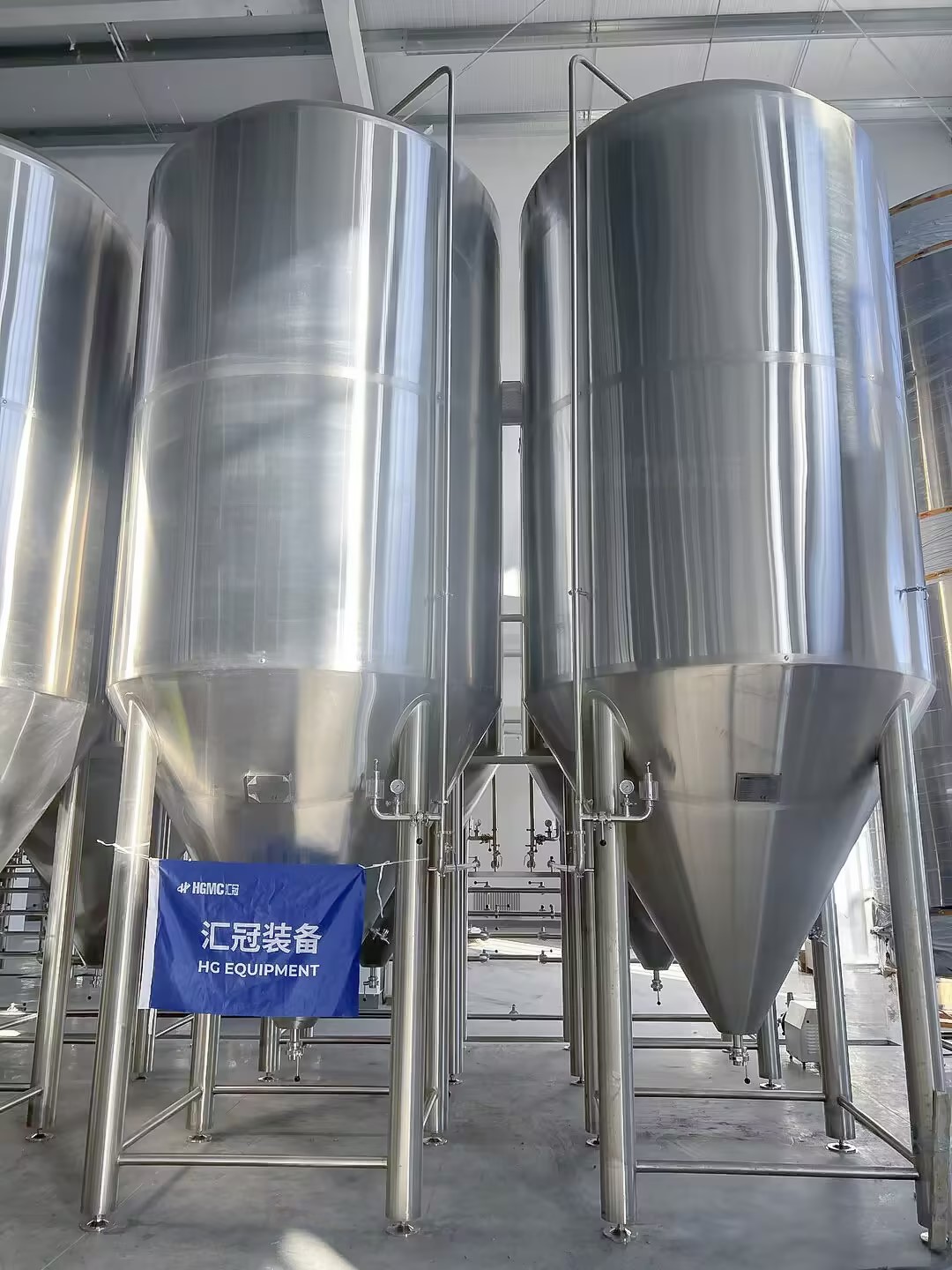
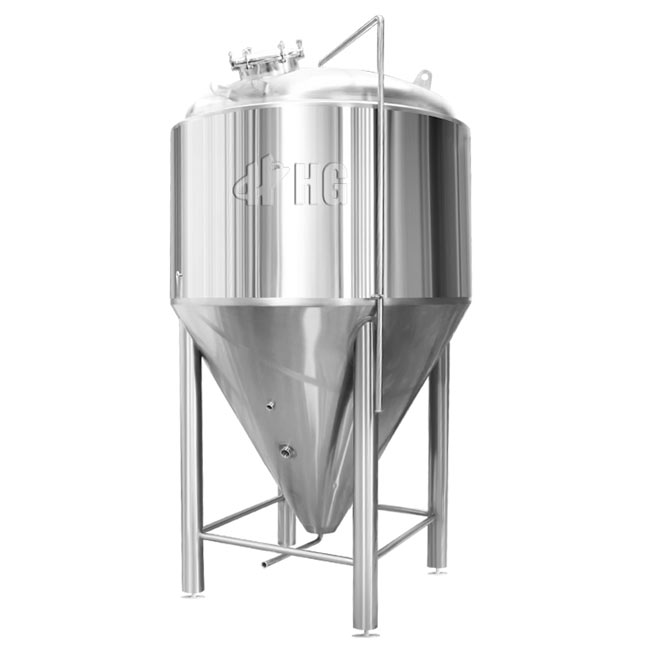
The Spec Sheet Does Not Tell the Whole Story Two fermentation tanks. Both 304 stainless steel. Both 1000 liters. Both with a sixty-degree cone and a cooling jacket. On paper, they are identical. In the cellar, they behave like different products. The differenc

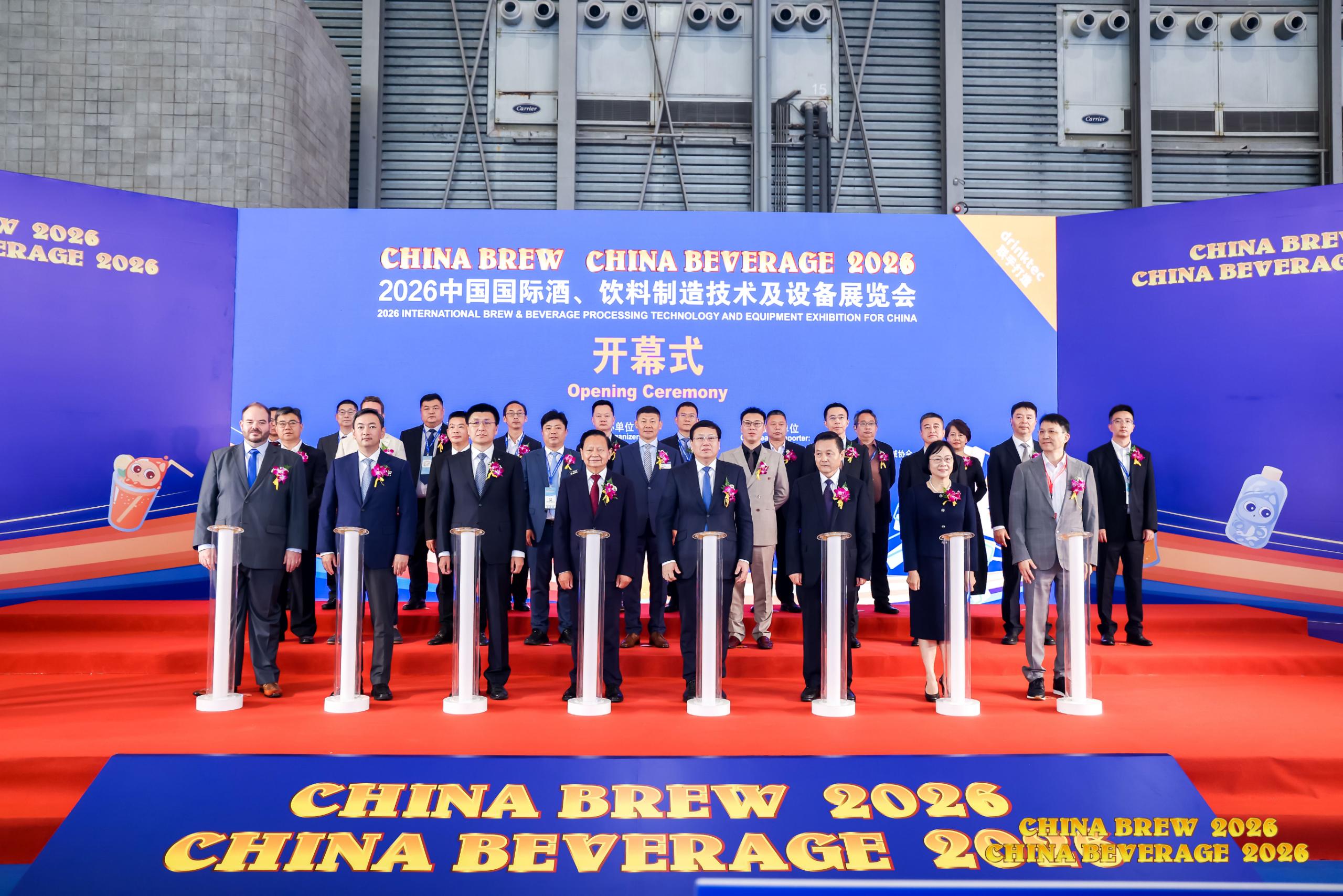
Booth E1-B21, Shanghai New International Expo Centre | Oct 12–15 CBB 2026 (China International Exhibition on Beverage & Liquid Food Technology and Equipment) is coming soon. [Shandong Huiguan] will showcase its latest fermentation equipment solutions. We l
ADDRESS No. 2228 Tianchen Road, Jinan, China
Copyright @ 2026 Shandong Huiguan Engineering Equipment Co., Ltd.