Contact:Mr. Sun Ling
Email:meng@shandonghg.com
whats app:+86-15863158497
Add:: No. 2228 Tianchen Road, Jinan, China
The Formula That Starts With Sales, Not Steel
Ask a supplier what size beer brewing system you need and you will get an answer based on what they have in stock. Ask yourself the right question and you will get an answer based on what you can sell.
The right question is: how many liters of beer will leave this building every week, and how many brew days will it take to produce them?
That is the whole calculation. Everything else is a consequence.
Working Backward From the Taproom
A taproom with forty seats selling an average of two pints per seat per hour during a six-hour service, four days a week, moves roughly 1,900 liters per week. Add distribution to five local accounts at a hundred liters each and the number climbs to 2,400 liters.
Add twenty percent for growth and twenty percent for shrinkage — spills, samples, quality holds, the beer that does not make it to sale — and the target production volume is roughly 3,450 liters per week.
That is the number. Not the brewhouse size. The production target. The brewhouse size is derived from it.
Converting Volume to Batch Size
Three brew days per week at 1,150 liters per batch produces 3,450 liters. Two brew days at 1,725 liters does the same. One brew day at 3,450 liters is a very long day with a very large brewhouse.
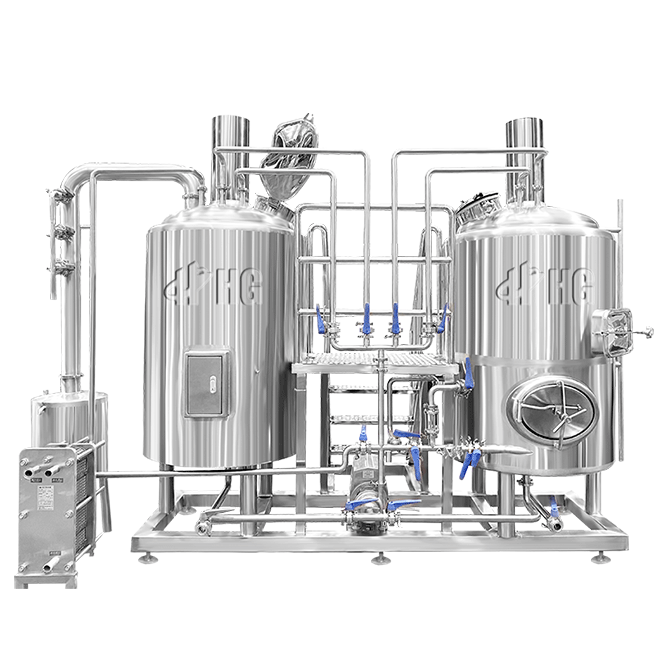
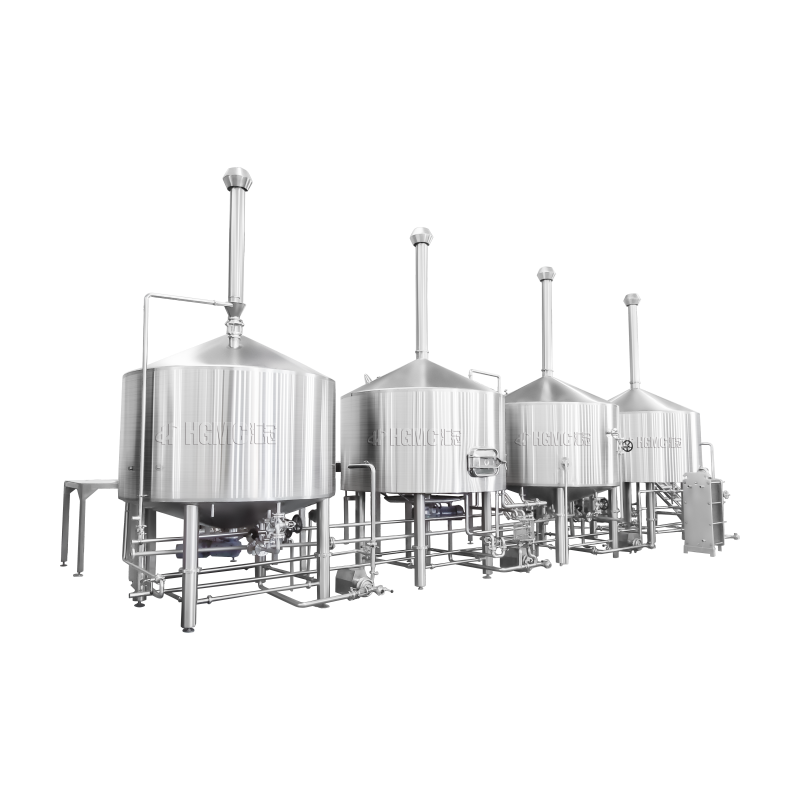
The batch size determines the vessel size. The brew days determine the labor requirement and the fermentation tank count. A single brewer can manage one batch per day on a semi-automated system. Three batches per day requires either a second person or a higher level of automation, and that labor cost belongs in the budget from the beginning.
The Fermenter Count That Follows
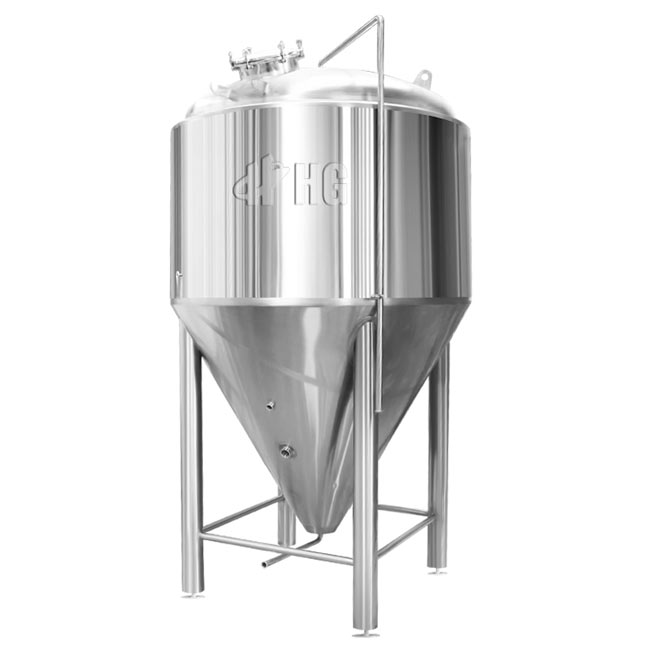
A beer that ferments for ten days and cold crashes for three occupies a tank for thirteen days. If you brew three times a week, you need enough tanks to hold thirteen days of production at three batches per week. That is roughly six fermenters, not three.
The standard ratio of three to four times the brewhouse batch size in total fermentation capacity exists for this reason. It is not a rule of thumb pulled from a catalog. It is a consequence of fermentation time and brew frequency.
The Packaging Ceiling
A brewhouse capable of 3,450 liters per week feeding a manual canning line capable of five hundred liters per week produces five hundred liters per week. The brewhouse is not the constraint. The packaging is.
Size the packaging line alongside the brewhouse. Calculate the cans per hour the line produces and the hours per week you are willing to run it. That number is your real production ceiling. The brewhouse should not exceed it.
The Expansion Question
A system sized for year-one sales will be too small in year two. The question is how to handle that without replacing the core equipment.
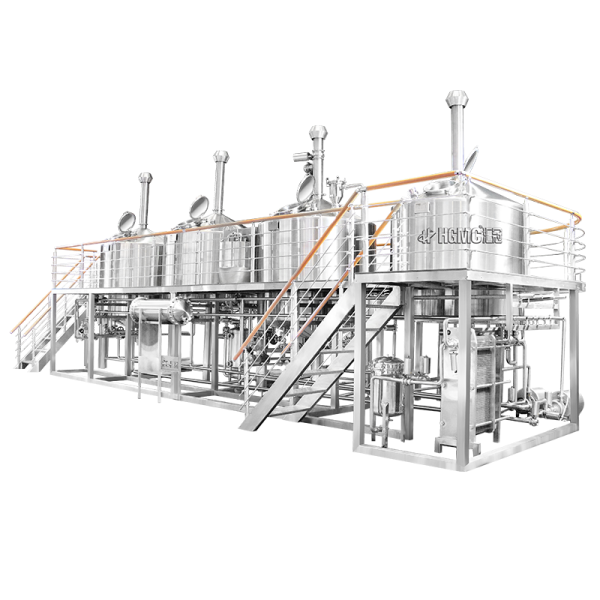
Choose a brewhouse that accepts additional vessels. Choose a glycol chiller with spare capacity. Choose a control panel that accepts additional tanks. Run capped-off utility lines to empty floor space where future tanks will sit. A brewery that plans for growth pays for growth when it happens. A brewery that does not pays for a complete replacement instead.
Not sure what size beer brewing system your sales projections actually support? We calculate brewhouse size, fermenter count, and packaging capacity from your numbers, not from a generic formula. Leave a message below with your target weekly sales and beer styles, and we will send you a complete capacity plan.
ADDRESS No. 2228 Tianchen Road, Jinan, China
Copyright @ 2026 Shandong Huiguan Engineering Equipment Co., Ltd.