Contact:Mr. Sun Ling
Email:meng@shandonghg.com
whats app:+86-15863158497
Add:: No. 2228 Tianchen Road, Jinan, China
If you are considering entering the craft beer industry — or planning to expand your existing brewery — 2026 may be the best window of opportunity. It may also be the year that demands the most careful decision-making.
The global brewery equipment market was valued at $25.18 billion in 2025** and is projected to reach **$37.88 billion by 2032, growing at a CAGR of 6.00%. The broader beer production equipment market is estimated to range between $19.1 billion and $27.3 billion in 2026, with a projected CAGR of 5.0% to 7.0% through 2031.
Meanwhile, the global craft beer market itself was valued at approximately $192 billion in 2025** and is projected to grow at a CAGR of **8.46%**, reaching **$339 billion by 2032.
These numbers tell a clear story: the global craft beer wave is far from receding, and equipment demand is steadily rising.
Trend 1: Automation and Smart Brewing Are Becoming Standard
“Smart brewing” is no longer a buzzword — it’s an operational necessity. Industry 4.0 principles are transforming breweries, where IoT sensors and AI-driven analytics optimize yeast health, reduce water waste, and ensure consistent flavor profiles across batches.
The beer automated production equipment market was valued at $267.41 million in 2025** and is projected to reach **$455.90 million by 2032, growing at an impressive CAGR of 7.91%. Automated brewing systems are valued for their ability to deliver precise control over essential variables such as temperature, pressure, flow rates, and fermentation cycles.
Today’s procurement decisions increasingly hinge on whether equipment offers automated control systems and digital monitoring capabilities — features that allow brewers to control temperature, pressure, pH levels, and timing remotely, ensuring each batch adheres to strict quality standards while reducing the risk of human error.
Trend 2: Energy Efficiency Is No Longer Optional — It’s Mandatory
Energy costs continue to climb, and environmental regulations are tightening worldwide. The industry is accelerating toward high-efficiency equipment and sustainable brewing solutions.
Sustainability considerations have transitioned from optional to operational prerequisites. Water use, energy consumption, and waste handling are tightly linked to regulatory expectations and corporate commitments. Equipment that integrates efficient heat recovery, closed-loop water systems, and hygienic design to minimize cleaning cycles is rapidly gaining preference.
A brewhouse with poor thermal insulation can leak 15–20% of its heating energy. Modern systems equipped with heat recovery can reduce steam consumption by over 20%, and variable-frequency refrigeration units can cut electricity usage by up to 40% compared to fixed-speed models. These aren’t “nice-to-haves” — they directly impact your operating costs and profit margins.
Trend 3: Modular Design Lowers the Entry Barrier
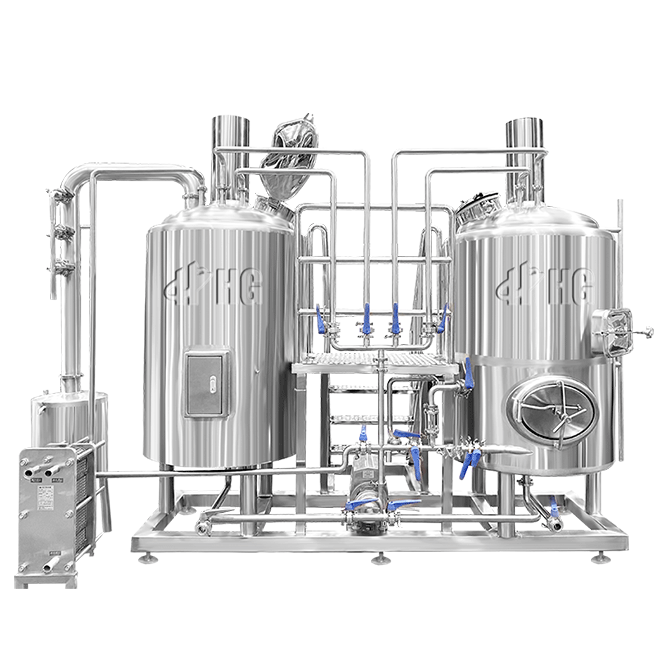
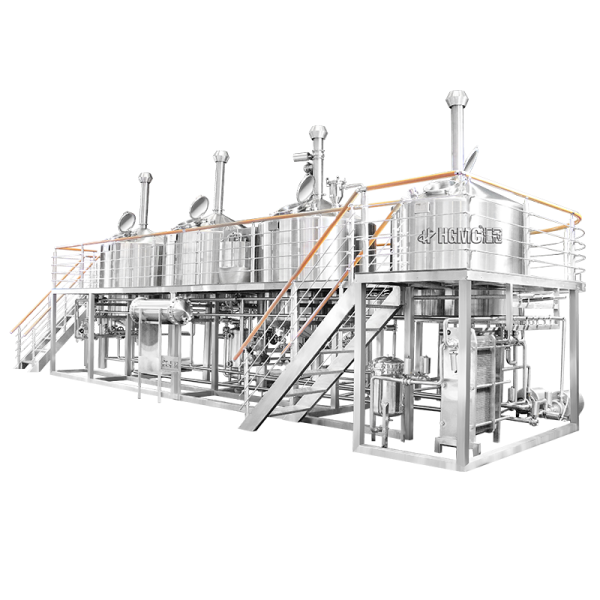
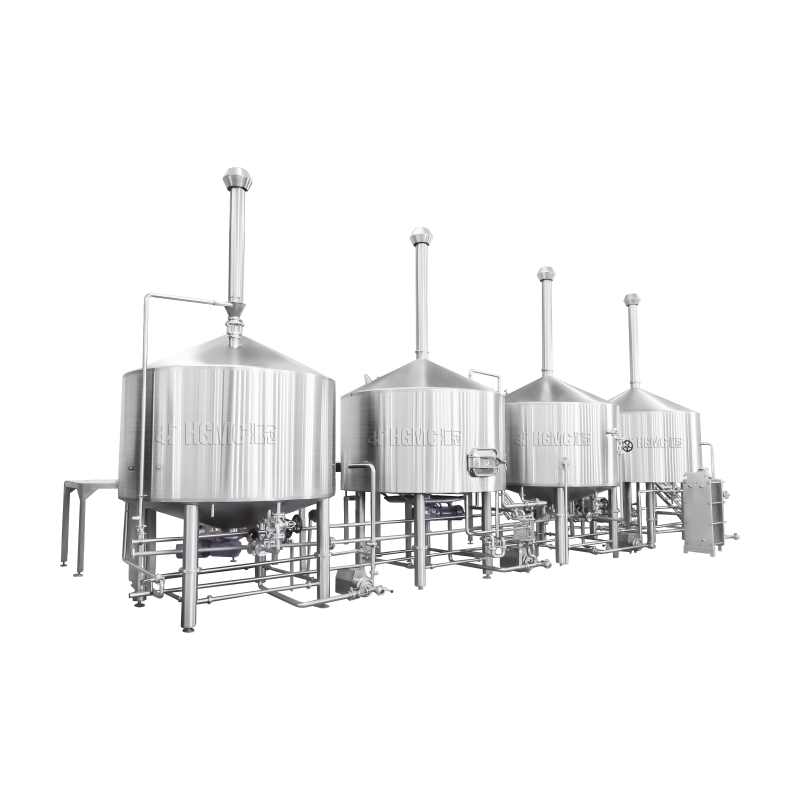
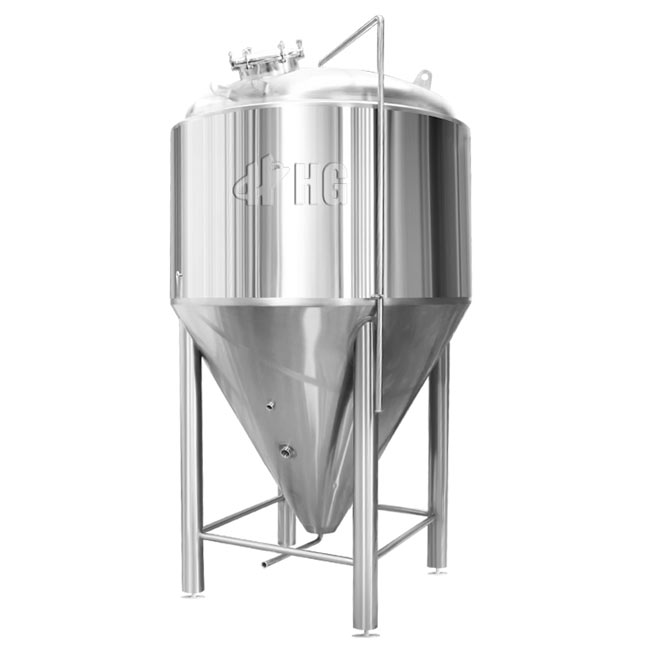
Modular brewery equipment is fundamentally changing how entrepreneurs enter the industry. Gone are the days when opening a brewery meant a massive upfront investment in a complete large-scale system. Today, you can start with expandable brewhouse modules and scale by adding fermentation tanks as demand grows.
This shift from monolithic, custom-built installations toward modular, pre-fabricated systems reduces installation timelines, lowers commissioning risk, and supports faster product development cycles. This “growth-by-investment” strategy dramatically reduces startup risk and allows brewers to scale incrementally.
Asia-Pacific (APAC): The fastest-growing region, anticipated to record the highest growth at 5.5% to 7.5%, driven by China and Australia, where craft beer and large-scale brewing fuel equipment demand. China’s craft beer equipment market alone is projected to hit 4.9 billion yuan in 2026, with year-on-year growth of 19.8%.
North America: Projected to grow at a CAGR of 4.8% to 6.8%, with the U.S. leading due to its thriving craft beer industry, focusing on automated and sustainable equipment. The U.S. craft beer industry supported over 443,000 jobs in 2025, with craft breweries contributing $71.8 billion to the U.S. economy.
Europe: Expected to achieve a CAGR of 4.5% to 6.5%, with Germany and Belgium driving demand for high-quality brewing systems for premium beers.
First, don’t look at equipment price alone. Total Cost of Ownership (TCO) is what matters — energy consumption, maintenance, labor, and raw material yield often far exceed the purchase price over the equipment’s lifetime.
Second, prioritize suppliers with international certifications. CE, PED, ISO 22000 — these aren’t decorations. They’re the basic guarantees of equipment compliance and safety.
Third, treat equipment as an investment, not an expense. A well-designed system delivers batch consistency, higher raw material utilization, and production efficiency that can pay for itself within 12 to 18 months.
Is your brewery ready for 2026? Whether you’re planning your first nano brewery or scaling from 500L to 5,000L, we provide complete turnkey services — from design and manufacturing to installation and training. Leave a message below with your capacity requirements, and we’ll send you a free investment return analysis.
ADDRESS No. 2228 Tianchen Road, Jinan, China
Copyright @ 2026 Shandong Huiguan Engineering Equipment Co., Ltd.